Crafting Realism: Integrating the 3D Plant - String of Pearls Succulent into Your Creative Workflow
In the realm of modern papercrafting and digital design, the line between decorative hobby and professional asset creation is increasingly blurred. For entrepreneurs, educators, and content creators, the ability to produce high-quality, three-dimensional botanical elements offers a unique avenue for branding, teaching, and product development. The 3D Plant - String of Pearls Succulent represents more than just a pretty paper flower; it is a versatile component that fits seamlessly into broader creative and business workflows. Whether you are designing packaging for a boutique, creating tactile learning materials for a classroom, or producing content for a lifestyle blog, understanding how to leverage this specific template can enhance your output quality and streamline your production process.
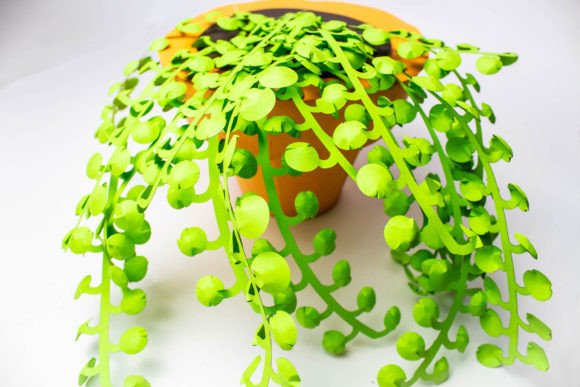
The String of Pearls (Senecio rowleyanus) is a distinctive succulent known for its trailing vines and bead-like leaves. Replicating this organic complexity in paper requires precision engineering and thoughtful material selection. When you acquire a professional-grade template for this plant, you are not just buying a pattern; you are investing in a reproducible system. This system allows for consistency across multiple units, a critical factor for small business owners who need to maintain brand standards or educators preparing kits for students. The transition from a digital file to a physical object involves several stages of planning, execution, and quality control, all of which benefit from a structured approach.
Pre-Production Planning and Asset Compatibility
Before cutting the first sheet of paper, successful integration of the 3D Plant - String of Pearls Succulent begins with file management and material assessment. The template typically arrives in a suite of vector and raster formats, including DXF, EPS, PDF, and SVG. Understanding which format serves your specific workflow is the first step in efficient execution. For users operating industrial die-cutting machines or CNC plotters, the DXF or EPS files provide the necessary vector paths for clean, precise cuts. Conversely, hobbyists using consumer-grade electronic cutters often find the SVG format most compatible with their design software, allowing for easy scaling and modification before sending the job to the machine.
Material selection is equally critical to the final aesthetic and structural integrity of the project. The recommended medium for this specific design is Encore Cardstock 80 lb cover (216 gsm). This weight is not arbitrary; it strikes a balance between flexibility and rigidity. Lighter cardstock may fail to hold the rounded shape of the "pearls," resulting in a flat, lifeless appearance, while heavier board might resist the intricate folding required for the vine assembly. By standardizing on 216 gsm cardstock, creators ensure that every unit produced matches the designer's intent. This consistency is vital for inventory management; if you are producing fifty units for a wedding favor or a retail drop, knowing exactly how much material is required per unit prevents waste and cost overruns.
Furthermore, the inclusion of a detailed instruction PDF within the download package serves as a standard operating procedure (SOP) for your workflow. In a professional setting, these instructions can be adapted into training materials for assistants or team members. By documenting the folding sequence, adhesive application points, and assembly order, you reduce the cognitive load during production and minimize errors. This documentation phase is often overlooked by freelancers but is essential for scaling operations from a one-person show to a small enterprise.
Execution: From Digital File to Physical Assembly
The actual construction of the 3D Plant - String of Pearls Succulent is a process that rewards patience and methodical organization. Unlike simple flat cards, 3D paper plants require a multi-stage assembly line approach to maximize efficiency. The workflow generally divides into three distinct phases: component cutting, shaping, and final aggregation.
During the cutting phase, organization is key. Because the String of Pearls design involves numerous small, circular elements representing the leaves, keeping track of cut pieces is challenging. A practical tip is to use labeled trays or silicone mats divided into sections for different parts of the plant (e.g., pearls, vines, pot base). If you are using the provided SVG or DXF files, ensure your cutting software is set to optimize material usage, nesting the small pearl shapes tightly to reduce scrap. This attention to detail directly impacts your bottom line, especially when working with premium materials like the specified 80 lb cover stock.
Shaping is where the 2D material transforms into a 3D object. The "pearls" usually require a gentle curl or dome shape to mimic the succulent's natural volume. Using tools such as quilling needles, embossing styluses, or even the back of a paintbrush, creators can impart this curvature. Consistency here is paramount; if one pearl is tightly curled and another remains flat, the visual rhythm of the trailing vine is disrupted. For high-volume production, consider creating a simple jig or mold that allows you to shape multiple pearls simultaneously, ensuring uniformity across the batch. This type of process optimization is what separates amateur crafting from professional manufacturing.
Assembly involves adhering the shaped pearls to the vine structures. The choice of adhesive matters significantly. Fast-drying liquid glues offer speed but can warp thinner papers if applied too heavily, while glue dots provide cleanliness but may lack the holding power needed for heavier cardstock. Testing your adhesive on a scrap piece of your Encore Cardstock before full-scale assembly is a crucial quality control step. Once the vines are populated, they are arranged into the final display configuration, whether that be cascading over a paper pot, weaving through a wreath, or attaching to a gift box.
Strategic Applications in Business and Education
Once mastered, the 3D Plant - String of Pearls Succulent becomes a flexible asset applicable in various professional contexts. For marketers and brand strategists, these paper plants offer an eco-friendly alternative to plastic decor for pop-up shops, trade show booths, or window displays. Their tactile nature invites interaction, making them excellent conversation starters that can increase dwell time in a retail environment. Because they are made from paper, they align well with sustainability narratives, a growing concern for modern consumers.
In the education sector, this project serves as an excellent STEM/STEAM activity. Educators can use the template to teach concepts of geometry, botany, and engineering. Students learn about the structural properties of paper and the biological characteristics of succulents while developing fine motor skills through the assembly process. The detailed instruction PDF facilitates lesson planning, allowing teachers to focus on facilitation rather than troubleshooting construction issues. Furthermore, the scalability of the design means it can be adapted for different age groups by simplifying the assembly steps or increasing the complexity of the painting and shading techniques.
For content creators and bloggers, the visual appeal of the String of Pearls provides high-engagement material for social media channels. Time-lapse videos of the assembly process, tutorials on customizing the colors, or styled photography featuring the finished product can drive traffic and build community. The versatility of the file formats allows creators to modify the design slightly—perhaps changing the leaf size or vine length—to create unique variations that keep their content fresh without starting from scratch.
Long-Term Maintenance and Workflow Integration
Integrating this craft into a long-term workflow requires consideration of storage and preservation. Paper plants, while durable, are susceptible to dust and humidity. For businesses selling these as finished goods, packaging solutions must protect the delicate vines during shipping. Custom boxes with internal supports or clear display cases can preserve the 3D structure. For those using the plants as permanent decor, periodic dusting with a soft brush or compressed air maintains their pristine appearance.
From a workflow perspective, maintaining a library of your digital assets is essential. Store your DXF, EPS, PDF, and SVG files in a cloud-based system with version control. This ensures that if you need to reorder materials or scale up production months later, you have immediate access to the correct files. Additionally, keep a physical sample of the finished product alongside a swatch of the recommended Encore Cardstock. This physical reference acts as a quality benchmark for future batches, ensuring that changes in lighting or monitor calibration do not drift your production standards.
The 3D Plant - String of Pearls Succulent is more than a static object; it is a dynamic tool in the creator's arsenal. By approaching its creation with a mindset focused on process, compatibility, and strategic application, you transform a simple crafting project into a scalable component of your professional toolkit. Whether enhancing a brand's physical presence, enriching an educational curriculum, or producing engaging digital content, the meticulous assembly of these paper pearls yields results that resonate with audiences seeking authenticity and craftsmanship.
To begin integrating this asset into your own projects, ensure you have the correct materials ready. High-quality results depend on high-quality inputs. You can source the specific paper recommended for optimal structural integrity and finish at the 12×12 Cardstock Shop. Utilizing the correct 80 lb cover stock will ensure your String of Pearls holds its shape beautifully, providing a professional finish to your work. This resource connection simplifies your supply chain, allowing you to focus on the creative and strategic aspects of your workflow.