Crafting Depth: A Practical Look at the Sea Turtle Shadow Box 3D SVG
In the evolving landscape of digital crafting, the distinction between a simple cut file and a comprehensive design asset often comes down to dimensionality and layer complexity. The Sea Turtle Shadow Box 3D SVG represents a specific category of digital product designed to bridge the gap between flat vector art and tangible, multi-layered sculpture. For professionals and serious hobbyists alike, understanding the utility of such files is essential before integrating them into a workflow. This analysis examines the structural integrity, material versatility, and practical application of this 24-layer design, offering a realistic perspective on its value for creators using machines like the Cricut Maker 3 or comparable cutting platforms.
Understanding the Architecture of Multi-Layer Design
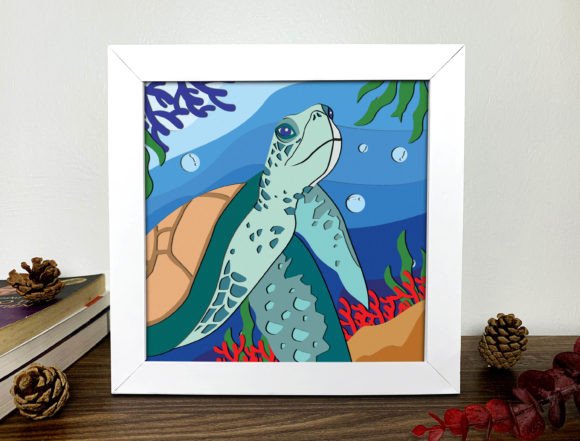
At its core, this product is a digital blueprint, not a physical object. Buyers receive a suite of files—including SVG, DXF, PDF, and EPS formats—intended to be interpreted by cutting software. The defining characteristic of this specific asset is its depth. Comprising 24 distinct layers, the design moves beyond standard silhouette cutting into the realm of shadow boxing. Each layer represents a slice of the final image, carefully spaced to create an illusion of three-dimensionality when stacked.
The sheer number of layers is significant. In professional papercrafting, adding depth requires precise calculation to ensure that the transition between layers feels organic rather than jagged. A 24-layer structure suggests a high-resolution approach to the subject matter, allowing for subtle gradations in the turtle's shell patterns, the surrounding water, and the foreground elements. This level of detail demands precision from both the file and the cutting machine. For users accustomed to single-layer decals or simple stencils, transitioning to a project of this magnitude requires a shift in mindset regarding assembly time and material management.
Material Flexibility and Color Theory Application
One of the most compelling aspects of purchasing a digital file rather than a pre-made kit is the autonomy it grants the creator regarding materials. Since no actual product is shipped, the buyer assumes the role of the manufacturer. This particular design encourages the use of paper in varying colors, weights, and textures. The standard recommendation for a project of this scale involves cardstock, typically ranging from 65lb to 80lb cover weight, to ensure the layers hold their shape without buckling under the weight of the stack.
The ability to customize color palettes is a major strength for marketers and interior designers. A coastal-themed boutique might opt for soft teals, sandy beiges, and coral accents to match a specific brand identity. Conversely, an educator teaching marine biology could utilize realistic greens and browns to create an accurate anatomical model. The file acts as a neutral vessel; its final aesthetic is entirely dependent on the user's choices. This flexibility extends to specialty papers as well. Creators experimenting with metallic foils, textured linen finishes, or even translucent vellum for background layers can achieve unique lighting effects that mass-produced items cannot replicate.
Dimensions and Scalability Considerations
The base dimensions for this design are set at 20x20cm (approximately 7.8x7.8 inches). This square format is ideal for standard shadow box frames readily available at craft stores and online retailers. However, the vector nature of the SVG, DXF, and EPS files means the design is infinitely scalable. Users can resize the artwork to fit larger display cases or reduce it for greeting card inserts, provided their cutting machine has the requisite mat space.
It is important to note that scaling up a 24-layer project increases the consumption of materials exponentially. While a 7.8-inch square might require half a sheet of cardstock per color for support structures, doubling the size could necessitate full sheets and stronger adhesive strategies to prevent sagging. Professionals should calculate material costs based on their intended output size to maintain profitability if these items are being produced for resale.
Workflow Compatibility and Software Integration
Compatibility is a critical factor for freelancers and small business owners who may utilize a variety of hardware. The inclusion of four major file formats ensures broad interoperability. The SVG format is the industry standard for web-based cutting software like Cricut Design Space and Silhouette Studio, preserving layer information and editability. The DXF format serves as a reliable backup for older software versions or specific CAD-oriented cutting programs. Meanwhile, the PDF and EPS files cater to users who prefer working in Adobe Illustrator or CorelDRAW before sending jobs to the cutter.
For those operating a Cricut Maker 3, the experience is generally seamless. The machine's ability to handle intricate cuts without a mat (when using Smart Materials) or with standard grip mats makes it well-suited for the fine details found in sea turtle scales and water ripples. However, users with entry-level machines should be aware that cutting 24 individual layers with high intricacy may require slower speed settings and fresh blades to prevent tearing. The reliability of the final product hinges on the machine's calibration and the sharpness of the tooling.
Assembly and Structural Integrity
The true test of a shadow box file lies in the assembly phase. With 24 layers, the margin for error decreases. Misalignment in the early stages can compound, resulting in a skewed final image. Successful execution requires a methodical approach: organizing cut pieces by layer number, using consistent adhesive thickness (such as foam tape or rolled paper spacers), and ensuring a rigid backing board.
From a quality control perspective, the spacing between layers in the digital file dictates the physical depth. If the designer has accounted for proper offsetting, the finished piece will have a smooth, flowing contour. If the offsets are too aggressive, the "steps" between layers become visible, breaking the illusion of continuity. Based on the complexity described, this asset appears designed for users who appreciate the meticulous process of layering. It is not a quick afternoon project but rather a focused session requiring patience and attention to detail.
Target Audience and Strategic Applications
Who benefits most from the Sea Turtle Shadow Box 3D SVG? The primary demographic includes DIY enthusiasts looking for challenging weekend projects, but the commercial potential is equally significant. Small business owners selling handmade home decor can leverage this file to create high-margin products. Because the raw material cost (paper and glue) is relatively low compared to the perceived value of a hand-assembled 3D artwork, the return on investment can be substantial.
Educators and workshop leaders also find value in such assets. Teaching the principles of layering, light, and shadow through a tangible medium like paper is an effective pedagogical tool. Furthermore, bloggers and content creators in the crafting niche can use the assembly process as engaging video or article content, driving traffic through "behind-the-scenes" tutorials. The visual appeal of a completed 3D sea turtle is inherently shareable on social media platforms, encouraging the community interaction mentioned in the product ethos.
Realistic Limitations and Final Recommendations
While the potential for creativity is high, prospective buyers must recognize the limitations inherent in digital downloads. There is no physical warranty on the paper you choose, nor is there support for machine malfunctions. The learning curve for assembling 24 layers can be steep for beginners; frustration may arise if adhesives bleed through thin paper or if layers warp due to humidity. Additionally, the time commitment is non-trivial. Cutting 24 mats and assembling them systematically can take several hours, which must be factored into production schedules.
Ultimately, the Sea Turtle Shadow Box 3D Svg is a robust resource for those willing to invest time into the craft. Its strength lies in its adaptability and the professional finish it offers when executed correctly. For creators seeking to expand their portfolio with dimensional paper art, or for businesses needing customizable, ocean-themed decor, this file provides a solid foundation. By selecting high-quality materials and adhering to precise assembly techniques, users can transform a simple digital download into a striking piece of physical art that resonates with viewers and stands the test of time.